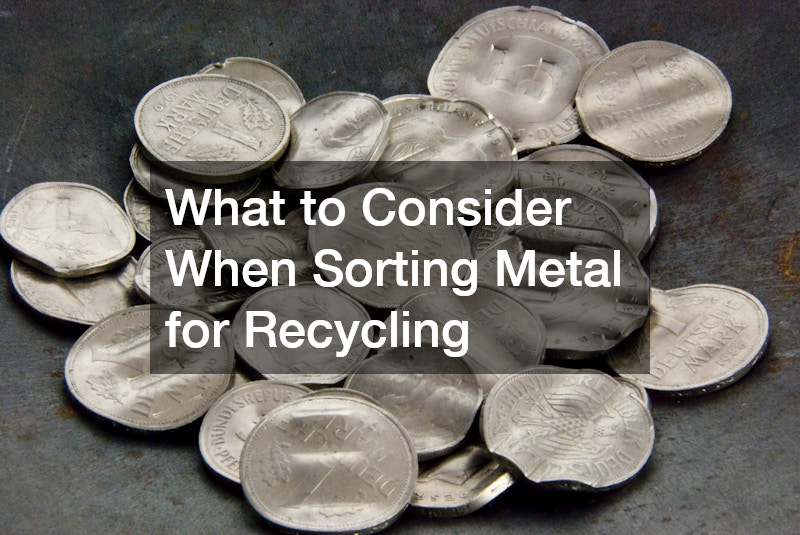
Recycling metal is an essential process in managing waste and conserving natural resources. Understanding how to sort metal properly can enhance the efficiency of recycling programs and contribute to environmental sustainability. This article provides insights into what to consider when sorting metal for recycling. By gaining knowledge about metal sorting, you help prevent valuable materials from occupying landfill space. Proper sorting practices ensure that metals are effectively reintroduced into the production cycle, offering environmental and economic benefits.
How Can You Identify Different Types of Metal for Recycling?
Magnet Test: Ferrous vs. Non-Ferrous Metals
A simple magnet test can reveal whether a metal is ferrous or non-ferrous. Ferrous metals, which contain iron, are magnetic, while non-ferrous metals, such as aluminum and copper, are not. By using a magnet, recyclers can quickly sort these materials efficiently. Non-ferrous metals, although generally more valuable, are more challenging to recover without proper identification. This distinction is crucial as it guides recyclers in optimizing the metal sorting process according to economic and recycling capability considerations.
Understanding Metal Grades and Their Importance
Differentiating between metal grades is essential for assessing material value and recycling viability. Metals come in various grades, with specific characteristics that determine their usability in manufacturing. For instance, aluminum used in cans is usually of a different grade than aluminum used in construction. Knowing the grade ensures that the recycling process can refine and repurpose the materials more efficiently. Additionally, some recycling programs offer increased returns for higher metal grades, thus economically incentivizing proper sorting.
Visual and Physical Identifiers of Common Metals
Visual and physical identifiers play a significant role in sorting metals. Aluminum is often lightweight, silver-colored, and resistant to rust, making it easily recognizable. Copper, known for its reddish color, tarnishes to a green patina, unlike other common metals. Steel is magnetic and heavier, frequently used in construction and machinery. Brass, commonly mistaken for gold, has a muted yellow color and is often found in fixtures and cosmetic applications.
What Are the Environmental and Economic Benefits of Sorting Metal Correctly?

Conservation of Natural Resources
Correct metal sorting is imperative for conserving natural resources. Recycling metals reduces the need for raw material extraction, which can be environmentally destructive. By reintroducing metals into the production cycle, we can minimize habitat disruption, soil erosion, and pollution. Effective sorting ensures that only the necessary metals undergo the energy-intensive extraction process.
Energy Savings and Reduction in Greenhouse Gas Emissions
Recycling metals is significantly less energy-intensive than producing new metals from ore. This energy efficiency translates into substantial reductions in greenhouse gas emissions associated with extracting and processing raw materials. For example, recycling aluminum saves up to 95% of the energy required for primary production. Proper sorting enhances this efficiency, allowing recycling facilities to operate more sustainably.
Contribution to the Circular Economy
Recycling metals plays a vital role in promoting a circular economy. A circular economy strives to keep materials in use longer, reducing waste and closure rates in landfills. Properly sorted metals can circulate through continuous recycling, maintaining value and utility over time. This sustainability model benefits society by creating jobs, reducing environmental impacts, and fostering economic growth.
What Challenges Might You Face When Sorting Metal, and How Can You Overcome Them?
Identifying Complex Composite Materials
Composite materials, which combine different metals, present challenges in the sorting process. These significantly require dismantling and separating components, which can be labor-intensive work. Many metal recycling services leverage technology, such as sensors and AI systems, to provide solutions for identifying composite materials with greater precision. Educating oneself about common composites found in products can reduce errors during sorting.
Addressing Safety Concerns and Risks
Metal sorting poses potential safety concerns that should not be underestimated. Sharp metal edges can lead to cuts and lacerations, while heavy materials increase the risk of strain or injury. Proper personal protective equipment (PPE) such as gloves and steel-toed shoes helps mitigate these risks. Additionally, educating workers on safe handling practices fosters a safer environment.
Dealing with Contaminated Metals
Contaminated metals introduce additional problems for the recycling process. By contaminating clean metal batches, they can decrease the quality and viability of recycled materials. Cleaning and preparing metals ensures higher purity levels and reduces recycling facility burdens. Strategies such as washing and separating mixed materials before introduction into the recycling stream mitigate contamination.
Sorting metal for recycling involves various considerations, from correctly identifying and sorting metals to understanding the benefits and challenges of the process. As recycling practices evolve, ongoing innovation and education will continue to drive progress toward a circular economy. Ultimately, the choices we make today in how we manage waste materials have lasting implications on the health and sustainability of our planet.